
Table of Contents[Hide][Show]
If there’s one thing people will remember about the summer of 2026, it will be this: it was hot. Temperatures have soared across the entire country, often reaching heat indexes well above 100°F.
With that kind of weather, the advice has been almost universal. Drink more water.
But is water alone enough?
If you’ve been refilling your water bottle throughout the day and still feel sluggish or find yourself fighting off a headache, you might be missing what your body really needs to keep up with the heat.
Fortunately, a few simple changes can help you feel your best, even on the hottest days. Here’s why water alone isn’t always enough and what you can do to stay truly hydrated, throughout summer and beyond.
Why Electrolytes Matter As Much As Water
If you’re constantly reaching for a glass of water after spending time in the summer heat, you’re doing the right thing. But water is only part of the equation.
When the weather heats up, sweating is your body’s natural way of cooling off. But every drop of sweat contains more than just water. It also contains electrolytes, essential minerals that help regulate fluid balance and keep your body functioning as it should.
Water replaces the fluids you lose, but it doesn’t replace electrolytes. And if you continue to drink more water without replenishing those minerals, the remaining electrolytes in your body become even more diluted. So you may still notice cramps, fatigue, dizziness, a headache, or other symptoms, even after you’ve had plenty to drink.
This doesn’t mean you should stop drinking water. It simply means your body needs the right balance of both water and electrolytes to stay hydrated, especially during long stretches of hot weather or periods of heavy sweating.
Another thing to keep in mind is that thirst isn’t always your body’s earliest warning sign. By the time you notice you’re thirsty, dehydration may already be underway. Staying properly hydrated throughout the day, rather than playing catch-up, can help you maintain a better balance of fluids and electrolytes.
But what are those electrolytes, exactly, and why do they matter so much?
What Your Body Really Loses When You Sweat
Along with water, sweat contains several important electrolytes, each with its unique job. Yet for many people, electrolytes are seen as part of sports and athletics, a brightly colored drink when you’re at practice, competing, or working out.
But these minerals do much more than support athletic performance. They help regulate fluid balance and keep your body functioning smoothly, which is especially important when you’re dealing with heat waves and potential dehydration.
When those minerals aren’t consistently replenished, even everyday activities like gardening, walking the dog, watching your kids play outside, or simply enjoying a summer day can contribute to chronic, low-grade dehydration and mineral depletion. Over time, this can quietly place added demands on your nervous system and your body’s natural stress response, making it harder to maintain steady energy and adjust to extended periods of heat.
These four electrolytes play the biggest roles in keeping your body hydrated and functioning at its best.
Sodium
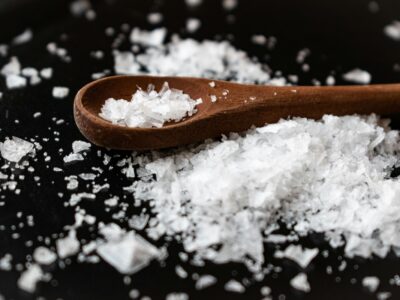
You probably already know that sweat is salty; it’s why sweat leaves a “salt ring” on your clothes. But did you know that it’s the most commonly lost electrolyte when you sweat? And it’s also one of the most essential minerals.
Sodium acts as a sponge or magnet, drawing water from your gut to your bloodstream so that your kidneys don’t flush it out too quickly. Without enough sodium, it can be challenging for your body to retain the fluids you’re drinking.
And by keeping cells hydrated, sodium also supports the transport of nutrients and oxygen throughout your body. This can contribute to energy production, preventing the brain fog and fatigue that often go hand-in-hand with dehydration.
Related
Sodium Solutions For Your Salt Cravings [INFOGRAPHIC]
Do you have salt cravings? Too much sodium can be unhealthy. Understand the causes of salt cravings and the steps you can take to curb them with these 7 sodium solutions.
Potassium
While sodium helps regulate the amount of water outside your cells, potassium helps maintain the balance of water inside them. Together, they help your body maintain an optimal fluid balance and stay properly hydrated.
Potassium also supports muscle contractions and nerve communication. Like a tiny battery, it fuels every muscle movement, both voluntary and involuntary, from your heartbeat to bicep curls. Potassium helps transmit nerve signals, so your muscles can contract. When potassium levels drop, you can end up with sore, weak, or cramped muscles.
Magnesium
Magnesium is a true mineral powerhouse; it plays a role in more than 300 biochemical processes throughout your body!
This electrolyte is essential for energy, helping your body convert food into fuel. Because of its calming properties, magnesium also supports muscle relaxation, easing potential soreness or cramps after exercise or on a hot day.
Studies show that nearly half of American adults aren’t getting enough magnesium in their diets. Losing additional amounts through sweat can leave you feeling more drained or your muscles more tense than usual.
Calcium
Many people think calcium is just good for strong bones and teeth, so you might be surprised to hear that calcium also plays a role in hydration.
Calcium acts as a messenger inside cells. When other minerals send nerve impulses, calcium translates those signals into muscle contractions, helping to prevent muscle fatigue and cramps. Calcium also helps those nerve communications stay sharp, which can stave off the weakness or tiredness that comes with dehydration.
Who’s Most At Risk for Dehydration?
Not everyone responds to heat in the same way. Some people sweat profusely when the temperatures rise. For others, it’s a headache from being in the sun or muscle cramps after a workout.
But while anyone can become dehydrated, some people are more likely to lose fluids and electrolytes.
You may be more likely to become dehydrated if you:
- Are an older adult. The ability to recognize thirst declines with age, leading to lower fluid intake overall.
- Take certain medications. Diuretics and other common prescriptions can increase fluid and mineral losses. Talk to your healthcare provider if you have concerns.
- Have ongoing stress. Elevated cortisol levels from chronic stress can disrupt your body’s natural electrolyte and fluid regulation.
- Drink excess coffee or alcohol, both of which can act as diuretics. In fact, a hangover can be a signal of mild dehydration.
If you have a baby, infant, or young child, pay close attention to their fluid intake and monitor for any signs of dehydration. Their lower body weight could leave them more susceptible to even mild fluid loss.
It’s also worth looking beyond hydration alone. Seemingly unrelated factors like blood sugar spikes and poor gut health can influence how well your body absorbs and uses nutrients, including electrolytes.
Related

What Is Mineral Water, and Is It Good For You?
What is mineral water and how does it differ from spring water and tap water? Find out what’s behind this trend and if mineral water is good for you.
How to Replenish Electrolytes Naturally
Sports drinks can be helpful after long or intense exercise, but they aren’t always ideal. Many of them contain artificial colors or flavors and have high sugar content. Luckily, they aren’t the only way to replenish electrolytes.
For everyday hydration, whole foods often provide the hydration and minerals your body needs.
Some of the best natural sources of electrolytes include:
- Avocados
- Bananas
- Bone broth
- Citrus fruits
- Coconut water
- Cottage cheese
- Greek yogurt
- Leafy greens
- Potatoes
- Pumpkin seeds
- Sea salt (perfect for adding to meals)
- Spinach
- Tomatoes
- Watermelon
An Easy At-Home Electrolyte Recipe
Electrolyte drinks are quick and easy to make at home.
Combine the following:
- 2 cups organic coconut water
- 2 cups water (still or sparkling)
- ¼ to ½ teaspoon of sea salt or pink Himalayan salt
- A splash of fresh-squeezed orange, lemon, or lime juice
The coconut water delivers massive amounts of potassium, plus magnesium, calcium, and natural sugars that allow your body to absorb water and salt faster. Meanwhile, the sea salt replaces sodium, and the citrus adds both flavor and potassium.
For additional support, sprinkle the contents of 1 capsule of Just Thrive Probiotic into your drink. It’s odorless and tasteless, so it won’t affect the flavor. While probiotics don’t replace electrolytes, they do support a healthy gut, which plays an important role in absorbing the minerals your body relies on for hydration.
Small Hydration Habits (That Make a Big Difference)
When temperatures rise, hydration works best as part of your daily routine rather than chugging a glass of water when you feel overheated.
Here are some habits to keep you healthy, hydrated, and happy.
- Drink water early in the day, before dehydration has a chance to set in.
- Sip water consistently throughout the day.
- Make sure you get enough electrolytes, whether it’s through whole foods or a quality electrolyte drink.
- Pay attention to your body’s signals. Dark urine, energy crashes, frequent headaches, muscle cramps, and persistent thirst are all signs that you need extra hydration.
By staying ahead of dehydration instead of trying to catch up, you can help your body feel its best, even during the hottest days of the year.
Final Thoughts
Hydration isn’t just about water. Whether you’re dealing with a heat wave, exercising, or just going about your day, your body needs the right balance of fluids and electrolytes to function at its best.
Eating electrolyte-rich foods can support steady energy and hydration. Pay attention to your body’s signals, too, and remember: don’t wait until you feel dehydrated to drink water.
The current heat wave won’t last forever, but healthy hydration habits should!
You May Also Like…